
You may feel overwhelmed with the idea of “bariatric surgery.” It’s a big step, but sometimes a necessary one. This procedure can be a lifeline for those struggling with severe weight issues. Weight loss isn’t just about appearances. It often improves overall health. bariatric surgery can reduce the risk of diabetes, heart disease, and other conditions. This process isn’t simple, though. You need to prepare emotionally and physically. Understanding what lies ahead helps in making informed choices. Let’s discuss what this path involves. You will learn about the different types of surgery, the risks, and the benefits. You will also see the importance of post-surgery care and lifestyle changes. It’s crucial to have support from healthcare professionals and loved ones. This isn’t just a medical procedure. It’s a journey towards a healthier life. Keep reading, and find out if this option suits your situation.
Types of Bariatric Surgery
Bariatric surgery includes several types. Each has unique methods and benefits. Here are three common types:
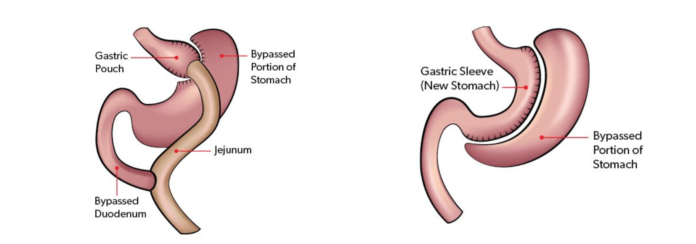
- Gastric Bypass: Often called Roux-en-Y, this procedure changes the stomach and small intestine. It limits food intake and reduces nutrient absorption.
- Sleeve Gastrectomy: This removes part of the stomach. You eat less and feel full sooner.
- Adjustable Gastric Band: A band is placed around the upper stomach. It restricts food amount by creating a small pouch.
Benefits and Risks
Every surgery has risks, but so does continued obesity. Understanding the balance between risks and benefits is crucial. Here’s a quick overview:
| Benefits | Risks |
| Significant weight loss | Infection |
| Improved heart health | Bleeding |
| Lowered diabetes risk | Blood clots |
| Enhanced quality of life | Malnutrition |
For detailed medical guidance, refer to trusted resources from established health institutes.
Preparation and Recovery
Preparation involves both mental and physical readiness. Here’s how you can prepare:
- Consultation: Discuss with your doctor. Understand the procedure and expected outcomes.
- Diet Changes: Follow prescribed dietary guidelines before surgery.
- Mental Preparation: Attend counseling to manage emotional changes.
Recovery requires time and patience. After surgery, you will need:
- Regular follow-ups with healthcare providers.
- Commitment to dietary changes and exercise.
- Support from family and friends.
Post-Surgery Lifestyle
Success depends on lifestyle changes. Here are key elements:
- Diet: Adopt a balanced, nutrient-rich diet.
- Exercise: Engage in regular physical activities.
- Support Groups: Join community groups for support and motivation.
Keep in mind that emotional well-being is as important as physical health. Engage with mental health professionals if needed. Learn more about post-surgery care to ensure lasting results.
Conclusion
Bariatric surgery is a path to a healthier life for many. It’s not without challenges. Yet, with proper preparation, you can overcome them. The journey involves understanding the surgery types, benefits, and risks. Strong support systems and lifestyle changes are key to success. As you consider this option, ensure you gather all necessary information and consult trusted healthcare providers. Remember, this is more than a physical transformation. It’s a step toward a healthier, more fulfilling life. Take it with confidence and the right support. You deserve to lead a healthier life.