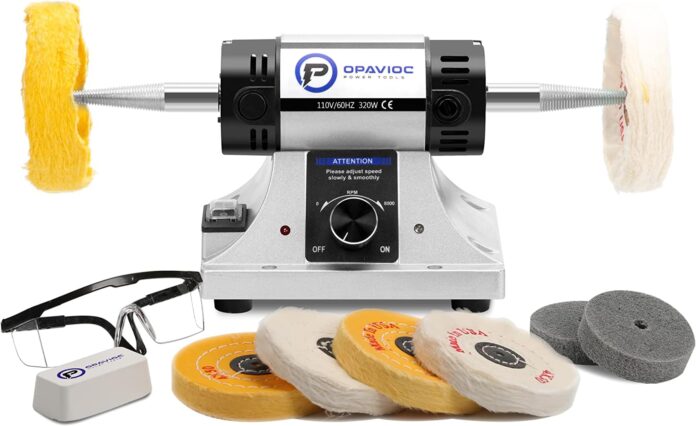

In today’s highly dynamic and congested locality, equipment choice is no longer a luxury or an added advantage to a dental practice, but a necessity. For periodic maintenance, for example, a simple cleaning or a detailed renovation work, the quality of equipment affects the success of the treatment and the satisfaction of the patient. A tool that is typically the last to determine the nature of the dental visit is quite significant and is referred to as the dental polisher.
The Importance of Dental Polishers in Modern Dentistry
When considering essential tools for optimal dental outcomes, dental polishers stand out due to their significant role in hygiene and cosmetic procedures. These are useful in final cleaning, eliminating extrinsic staining, and polishing restorative materials to an enamel-like surface. Dental polishers not only improve aesthetics but also contribute to oral health by reducing plaque buildup and creating a surface less prone to bacteria adhesion.
Dental polishers come in different variations and if you are to RPM and vice versa, you need a dental polisher that is versatile, durable, and easy to use. High-performance polishers also make patients more comfortable in the dental clinic and enable the sustainability of dental health so it is important to incorporate in today’s dental practices.
Factors to Consider When Selecting Dental Equipment
As it has been pointed out, not all dental tools can be considered equal. The right equipment is however one that is fully functional and robust in its design yet very easy to handle. Here are the presets it is important to examine when procuring instruments for Value:
1. Performance and Precision
As a result, it is advisable to look for electronic guitars that are capable of providing a high and steady quality output. Tools like dental polishers should offer variable speeds and ergonomic handpieces for greater control and comfort during polishing procedures. The high-speed polishers are mostly useful for heavy-duty tasks such as cleaning heavily stained surfaces while the low-speed ones are desirable for the fine finishing process.
2. Ergonomics and Operator Comfort
It is imperative to note that dentists and hygienists sometimes may take time to perform the tasks. Ergonomics principles prevent users from getting tired fast which decreases the possibility of getting repetitive strain injuries. Comfortable handles for lightweight polishers are beneficial in producing enhanced precision in addition to cutting the time spent on work.
3. Patient Safety and Comfort
Select equipment that is non-noisy, non-vibrating, and non-humming as these have proven to have a disturbing effect on patients. A more refined polisher that runs smoothly helps to reduce abrasiveness on enamel and soft tissue therefore enhancing the patients’ comfort.
4. Ease of Maintenance and Durability
Dental tools are usually purchased long-term, meaning that one is likely to use a certain tool for many years. Choose equipment that can be easily cleaned and managed regarding sanitation as this is an aspect to be considered in the best hospital. Long-lasting materials like stainless steel or titanium components are useful in lasting longer than other parts such as plastic hence cutting on costs in the long run.
5. Versatility and Compatibility
It is advisable to choose equipment that can be compatible with a large number of polishing cups, brushes as well as heads. Certain models have convenience options that allow the seat to be easily adjusted on the patient’s side. It helps in creating the kind of biological dose exposure of the disease, it is good because it provides the level of flexibility in pattern-creating to match the symptoms of the disease’s patients.
The Broader Role of Dental Technology in Superior Outcomes
Besides, polishers, he pointed out the technologies in the digital x-rays, intraoral scanners, electric handpieces, and ultrasonic scalers have transformed dental procedures. These technologies therefore assist in faster diagnosis, shorter time and period of treatment, and higher accuracy. By integrating the latest innovations—including efficient dental polishers—dentists can provide top-tier care that meets the expectations of today’s tech-savvy patients.
Conclusion
Betterment of dental results depends on the choice of the dental tools that are used in the market. Regarding patient treatment, there are important factors specific to the chosen tools that should lead to good and comfortable clinical conditions and ergonomics. Dental polishers are more than just finishing tools—they are essential components that enhance aesthetics, promote hygiene, and leave patients with a lasting impression of quality. The right and quality equipment in a dental practice makes it stand out and your patients will always beam.