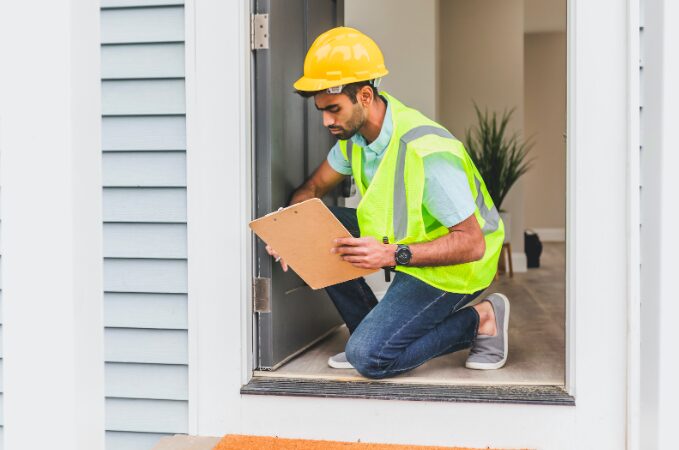

When purchasing a property, a comprehensive building report is an essential tool that provides valuable insights into the condition of the home. This document is prepared by a qualified inspector and details various aspects of the property. Understanding what to expect in a building report can help you make informed decisions. Here’s a breakdown of the key components that a comprehensive building report should include.
Property Overview
Basic Information
A building report should begin with an overview of the property, including:
- Address: The full address of the property being inspected.
- Type of Property: A description of whether it’s a single-family home, Building Inspection multi-unit dwelling, or commercial property.
- Inspection Date: The date when the inspection was conducted.
This section sets the stage for the details that follow and ensures clarity about the property in question.
Visual Inspection Findings
Structural Components
One of the most critical sections of the report focuses on the structural integrity of the building. Inspectors will assess:
- Foundation: Look for cracks, settling, or signs of moisture intrusion.
- Walls and Framing: Evaluate the condition of interior and exterior walls, including signs of damage or bowing.
- Roof: Inspect for missing shingles, leaks, or structural issues.
This detailed analysis helps identify any major concerns that could affect the property’s safety and longevity.
Systems Assessment
A thorough building report should include evaluations of various systems within the property:
- Electrical System: Inspectors will assess wiring, outlets, and the electrical panel for safety and compliance with current codes.
- Plumbing System: Evaluation of pipes, fixtures, and potential leaks, including the condition of the water heater.
- HVAC System: Review of the heating and cooling systems for functionality, age, and maintenance history.
Highlighting the condition of these systems helps buyers understand potential future expenses.
Safety Hazards
Identifying Risks
Safety is a paramount concern in any building inspection. The report should detail any identified hazards, such as:
- Faulty Wiring: Issues that pose fire hazards or electrocution risks.
- Inadequate Smoke Detectors: Ensuring that smoke and carbon monoxide detectors are present and functional.
- Structural Hazards: Any issues with stairways, railings, or other areas that could pose risks to occupants.
This section provides crucial information that can help buyers address safety concerns before moving in.
Environmental Concerns
Assessing Environmentally Related Issues
A comprehensive building report should also consider environmental factors that could impact the property:
- Mold and Mildew: Signs of moisture problems that could lead to mold growth.
- Pest Infestations: Evidence of termites, rodents, or other pests that can damage the structure.
- Asbestos or Lead Paint: If applicable, the report should mention the presence of hazardous materials and recommend further testing.
Understanding these environmental concerns is vital for ensuring the health and safety of future occupants.
Recommendations and Action Items
Next Steps
A well-rounded building report should conclude with recommendations and action items. This section might include:
- Immediate Repairs: Suggestions for urgent repairs that need to be addressed before moving in.
- Maintenance Tips: General advice on upkeep to prolong the life of the property and its systems.
- Further Evaluations: Recommendations for specialized inspections, such as pest control or mold remediation.
Providing actionable steps helps buyers prioritize their next moves and budget for necessary repairs.
Photographic Evidence
Visual Documentation
A comprehensive building report should include photographs that document the inspector’s findings. These images should cover:
- Notable Issues: Photos of any significant problems, such as cracks, leaks, or safety hazards.
- General Condition: Images that showcase the overall condition of the property.
Visual evidence enhances the report’s clarity and provides buyers with a clear understanding of the property’s state.
Conclusion
A comprehensive building report is an invaluable resource for anyone considering a property purchase. By detailing the property’s condition, identifying safety hazards, and providing actionable recommendations, this report helps buyers make informed decisions. Understanding what to expect in a building report prepares you to navigate the home-buying process with confidence, ensuring that your investment is sound and secure. Always remember that a thorough inspection today can save you from costly surprises tomorrow.